
Before You Go Chasing Manatees: What Makes Weeki Wachee Different from Other Florida Springs
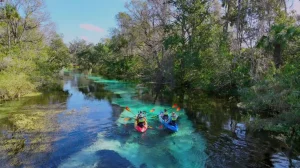
Florida is famous for its freshwater springs, where crystal clear water rises from underground aquifers and flows into lush rivers and pools.
When people search for Florida springs or explore things to do near Tampa or near Orlando, they are often looking for places that combine natural beauty with a memorable outdoor experience.
Weeki Wachee stands out among these destinations not because it is louder or more commercial, but because it offers something slower, softer, and deeply connected to conservation.
Rather than positioning itself as an adrenaline hotspot, Weeki Wachee invites visitors into a protected, living ecosystem where the water, wildlife, and surrounding landscape are treated with respect and care.
A River That Flows at Nature’s Pace
What makes Weeki Wachee truly special is its river. Unlike many springs that focus on fast tubing routes or packed recreational zones, the Weeki Wachee River moves gently through shaded corridors of native vegetation.
The water is consistently clear and cool, making it feel timeless and calm rather than engineered for thrill seekers.
This is a first magnitude spring, meaning it releases a massive volume of fresh water every day, yet the experience remains intimate.
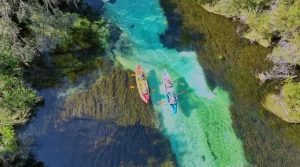
Kayaking here feels more like gliding through a natural sanctuary than participating in a water sport.
The river bends quietly through forests and wetlands, giving you the sense that you are passing through a preserved slice of old Florida rather than a tourist attraction built around it.
A Place Where Wildlife Leads the Experience
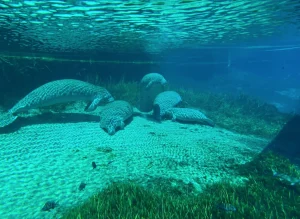
Weeki Wachee is not just a scenic river. It is a living habitat. Beneath the surface swim fish and turtles, while birds move through the trees overhead.
In cooler months, manatees may appear, seeking refuge in the steady temperatures of the spring water.
What sets this spring apart from more commercialized parks is that wildlife is not staged or controlled for entertainment. There are no feeding shows or interactive encounters.
The animals are there because this is their home. Visitors are guests, not the main characters.
This approach encourages a more mindful style of exploration. You are there to observe, to appreciate, and to move gently through the environment rather than dominate it.
A Clear Contrast With More Commercial Springs
Many Florida springs are wonderful in their own way but are designed around high visitor volume and fast paced recreation.
You will find busy tubing runs, large rental operations, and crowded swimming areas in some of the more famous spring parks.
Weeki Wachee chooses a different identity. Activities are intentionally limited and managed to protect the ecosystem.
Much of the river cannot be accessed freely for swimming or docking because shoreline vegetation and aquatic plants are vital to water quality and wildlife survival.
Instead of promoting speed and spectacle, Weeki Wachee highlights natural scenery, educational boat tours, and quiet paddling experiences.
This makes it ideal for travelers who want to slow down, reconnect with nature, and experience Florida springs as they existed long before mass tourism.
Seasonal Conditions Matter More Than You Think
Planning a visit to Weeki Wachee is not just about picking a date. Understanding seasonal water conditions can transform your experience.
The water temperature stays fairly consistent year round, which is one reason wildlife is drawn here.
However, the surrounding conditions change. Cooler months are often when manatees appear, since they seek warmer water when coastal temperatures drop. These months also tend to be less crowded and more serene.
Summer brings warmer air, lush greenery, and a more tropical feeling. It also brings higher visitation and stronger sunlight, which can influence water clarity and algae growth.
Because the park prioritizes conservation, certain activities are restricted year round to protect the river during all seasons.
By choosing your timing intentionally, you align yourself with the natural rhythm of the spring rather than fighting against it.
Wildlife Etiquette Is Part of the Experience
At Weeki Wachee, how you behave matters just as much as what you see. Respectful wildlife etiquette is essential for preserving the delicate balance of the river.
This means keeping your distance from animals, especially manatees and turtles. It means not touching, chasing, or attempting to interact with wildlife.
It also means staying within permitted areas and avoiding loud noises or sudden movements that can stress animals and disrupt the peace of the environment.
Visitors who embrace this mindset often report a deeper and more meaningful experience. Instead of rushing from one attraction to another, you become part of a quiet dialogue with nature.
Why Weeki Wachee Belongs on Your Florida Springs List
If your idea of exploring Florida springs includes connecting with untouched beauty rather than crowded entertainment zones, Weeki Wachee deserves a place at the top of your list.
For travelers searching for things to do near Tampa or near Orlando, Weeki Wachee offers a refreshing alternative. It shows that Florida’s natural wonders do not have to be loud or extreme to be unforgettable.
Sometimes, the most powerful experiences come from slowing down and letting nature set the pace.
Here, conservation is not just a policy. It is a philosophy that shapes every aspect of the visitor experience.
Frequently Asked Questions
When is the best time to see manatees at Weeki Wachee?
Manatees are most often seen during the cooler months, typically from late fall through early spring, when they seek warmer freshwater habitats.
Can you swim in the Weeki Wachee River?
Swimming is limited to specific designated areas. Much of the river is protected and not open for swimming in order to preserve plant life and wildlife habitats.
How is Weeki Wachee different from other Florida springs?
Weeki Wachee focuses on conservation, quiet paddling, and natural scenery rather than high intensity recreation or mass tourism.
Is Weeki Wachee good for families?
Yes, especially for families interested in nature, wildlife, and educational experiences rather than thrill based attractions.
Do you need reservations to kayak?
During busy seasons, reservations are highly recommended to control river traffic and protect the ecosystem.